
Security Leadership • Growth • Operations
How to Grow a Security Company
6 Operational Principles That Separate Small Firms from Industry Leaders
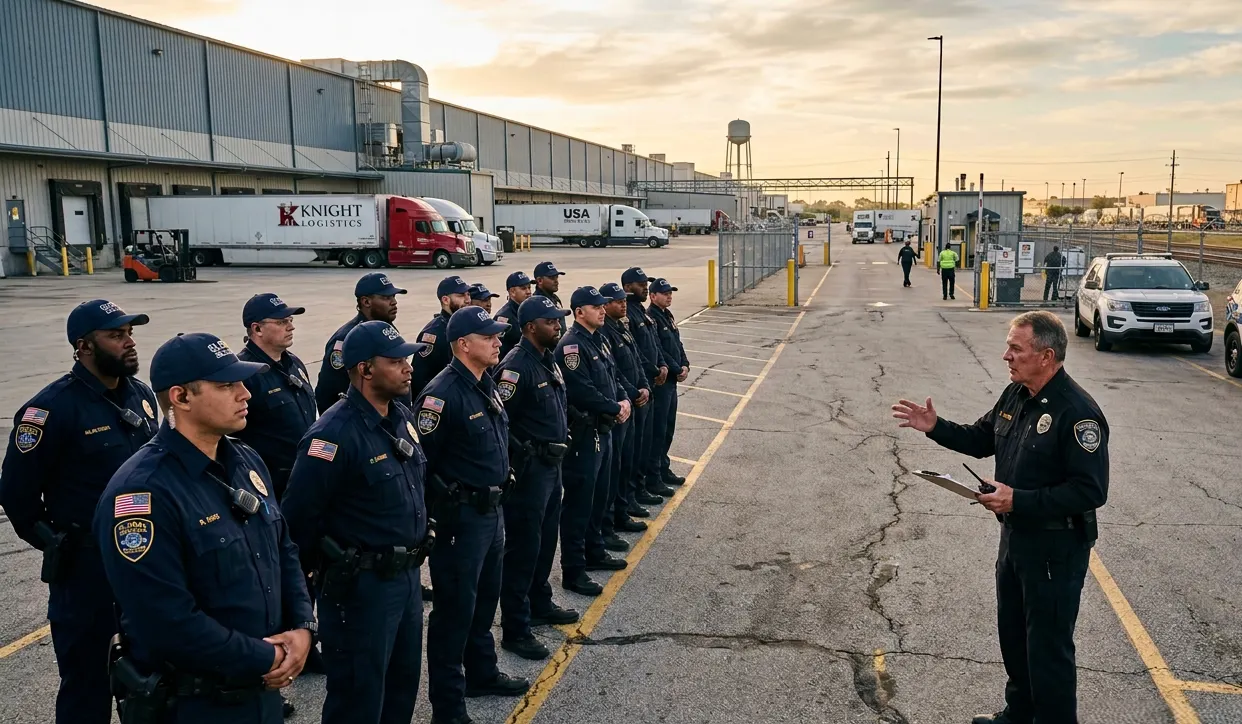
Many security companies start small.
One contract.
One building.
Maybe two sites and a handful of guards.
There is nothing wrong with starting small. In fact, most successful security companies in the United States began exactly this way.
The real question is different:
How does a security company grow beyond two or three contracts and become a stable, trusted security provider?
After more than two decades working in security operations, supervision, and patrol management, one pattern becomes very clear.
Some security companies remain small forever.
Others grow into respected regional providers.
The difference is rarely luck.
The difference is operational discipline.
Here are six operational principles that consistently separate small security companies from organizations that grow into professional security providers.
Most security companies fail not because guards are absent,
but because operations are invisible.
1. The Most Important Asset: Selecting the Right Guards
Many security companies focus on contracts first.
But the real foundation of any security operation is simple:
The quality of the guards.
If guards are unreliable, poorly selected, or lack professional discipline, no software, supervisor, or management structure can fully compensate for that.
Security companies constantly face a difficult balance:
quality vs cost.
Hiring the cheapest available personnel rarely produces stable operations.
Professional security companies instead develop structured recruitment practices designed to identify guards who are:
- reliable
- responsible
- capable of independent judgment
- able to follow operational procedures
Even small improvements in guard selection dramatically increase operational reliability.
Technology platforms such as Trinity Guard® and Digital Guard Tour can verify patrol activity and operational performance, but the foundation always remains the same:
2. The Hidden Power of Site Supervisors
Many security company owners believe growth depends mainly on sales.
In reality, growth depends on site supervisors and field leadership .
In the U.S. security industry these roles may be called:
- Site Supervisor
- Operations Manager
- Field Supervisor
- Post Commander
Regardless of title, these individuals determine how well a contract actually runs.
They are responsible for:
- organizing daily operations
- managing guards
- maintaining operational discipline
- ensuring procedures are followed
A weak supervisor can damage an otherwise good contract.
A strong supervisor can stabilize an entire operation.
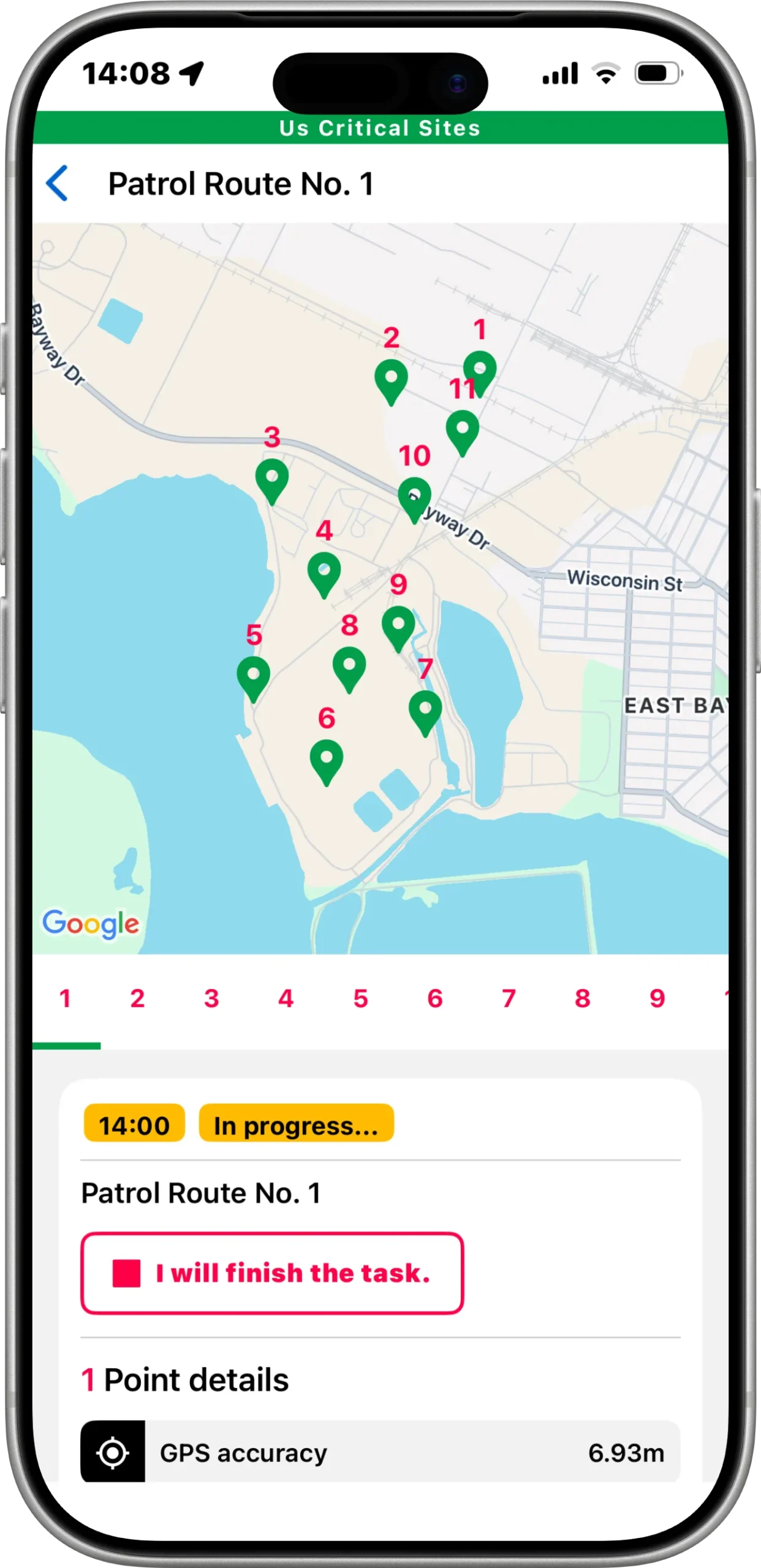
Modern security companies increasingly support supervisors with digital operational tools such as Trinity Guard® patrol verification systems, which provide real operational visibility instead of relying only on written reports.
3. Professional Work Environment — Control Without Harassment
Security operations require supervision.
But there is a major difference between professional operational control and constant harassment.
Guards perform best in environments where they have:
- clear expectations
- structured supervision
- recognition for good performance
- incentives for reliability
In poorly managed organizations, supervisors spend too much time asking guards:
“Did you complete your patrol?”
Professional companies solve this differently.
They rely on verified operational data.
Modern guard tour systems such as Digital Guard Tour powered by Trinity Guard® allow supervisors to see patrol activity, incident reports, and operational timelines without unnecessary micromanagement.
This creates a healthier working environment and improves accountability at the same time.
Why disciplined operations scale better
People
Better guard selection reduces instability from the beginning.
Leadership
Strong site supervisors protect contracts and enforce standards.
Visibility
Verified patrol data reduces guesswork and unnecessary pressure.
4. Incident Response Defines Professionalism
Security incidents are inevitable.
What separates professional security providers from weak ones is how they respond to incidents.
Clients expect two things:
- rapid response
- transparent communication
When an incident occurs, the client must know:
- what happened
- when it happened
- how it was handled
Modern security platforms allow incident reports to include:
- time-stamped records
- photographs
- location data
- structured incident descriptions
This level of transparency builds long-term trust.
Systems such as Trinity Guard® incident reporting help ensure that events are documented in real time and remain accessible for operational review or client reporting.
Security clients do not buy patrols.
They buy accountability.
5. Entry and Exit Control Must Be Traceable
At many facilities, one of the most sensitive responsibilities of security guards is controlling access.
This includes:
- vehicle entry
- visitor access
- deliveries
- personnel movement
If these events are not properly recorded, disputes and liability issues may arise later.
Professional security companies ensure that access control events are documented and traceable.
Digital security platforms make it possible to verify:
- who entered
- when they entered
- who authorized the entry
Systems such as Digital Guard Tour and Trinity Guard® access logs help maintain this traceability and protect both the client and the security provider.
A patrol that cannot be verified
cannot be sold.
6. Regular Personal Communication with Clients
Technology improves operations.
But one fundamental truth of the security industry will never change:
Security services are built on trust.
Clients expect regular communication and personal contact with their security provider.
Professional companies maintain regular communication with clients in order to:
- identify operational issues early
- adjust procedures when needed
- explain security operations clearly
Many clients do not fully understand the complexity of modern security operations.
When company leaders explain patrol procedures, incident reporting, and operational verification systems like Trinity Guard®, clients gain greater confidence in the service they receive.
Transparency strengthens long-term contracts.
Leadership
Field discipline matters more than promises.
Verification
Operational proof scales better than handwritten reporting.
Security operations cannot scale without operational transparency.
The Real Difference Between Small and Large Security Companies
The companies that grow are not simply those with more contracts.
They are the companies that build structured operations.
They focus on:
- disciplined guard selection
- strong site supervisors
- professional operational oversight
- transparent incident management
- traceable access control
- strong client relationships
Technology supports these principles.
But technology alone cannot replace operational discipline.
Final Thought
Security operations are not simply about presence.
They are about verifiable performance.
Security companies that build their operations around transparency, structured processes, and professional leadership are the ones that grow beyond a few contracts and become trusted long-term security partners.
CTA
See how modern patrol verification supports professional security operations.
Explore the platform used by growing security companies worldwide. Digital Guard Tour — powered by Trinity Guard®
Structured patrol systems support professional security management.