
Case Study: How a Wildlife Park Rebuilt Night Patrols After a Critical Incident
For wildlife parks, zoos, reserves, and large outdoor facilities, night patrol is not routine administration. It is a safety layer.
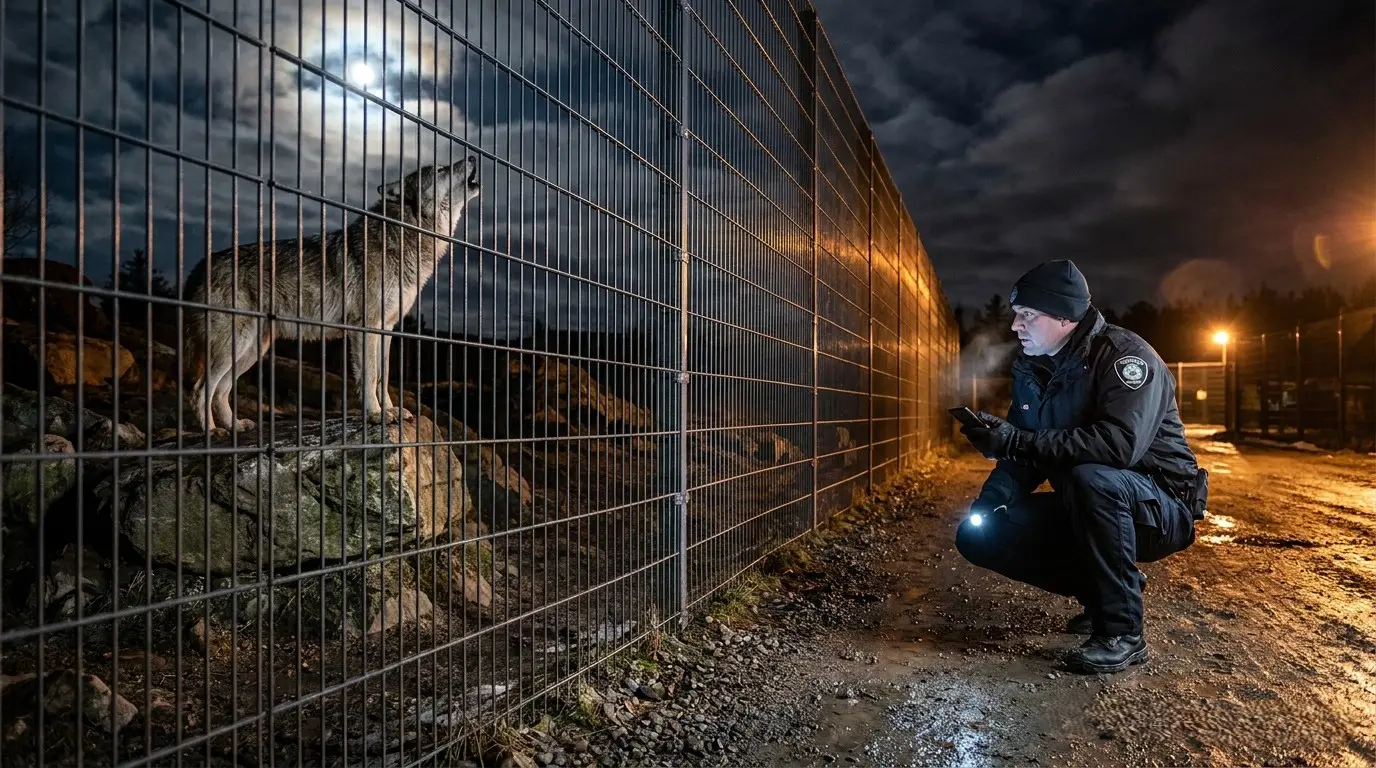
- An outdated RFID workflow no longer gave management enough confidence
- A missed night patrol created a blind spot in a high-risk environment
- Trinity Guard® replaced assumption-based logging with verifiable patrol proof
- The park remains an active subscriber and no similar critical incident has occurred since
The Context
In 2025, a well-known wildlife park contacted us after a serious incident exposed a dangerous gap in its security operations. The park had been using an older RFID-based guard tour system, but management no longer trusted it.
The reason was simple: something had happened that should have been detected during a night patrol.
This case study is anonymized to protect the organization and its staff, but the operational lesson is clear.
A patrol that cannot be verified is only an assumption.
The Operational Problem
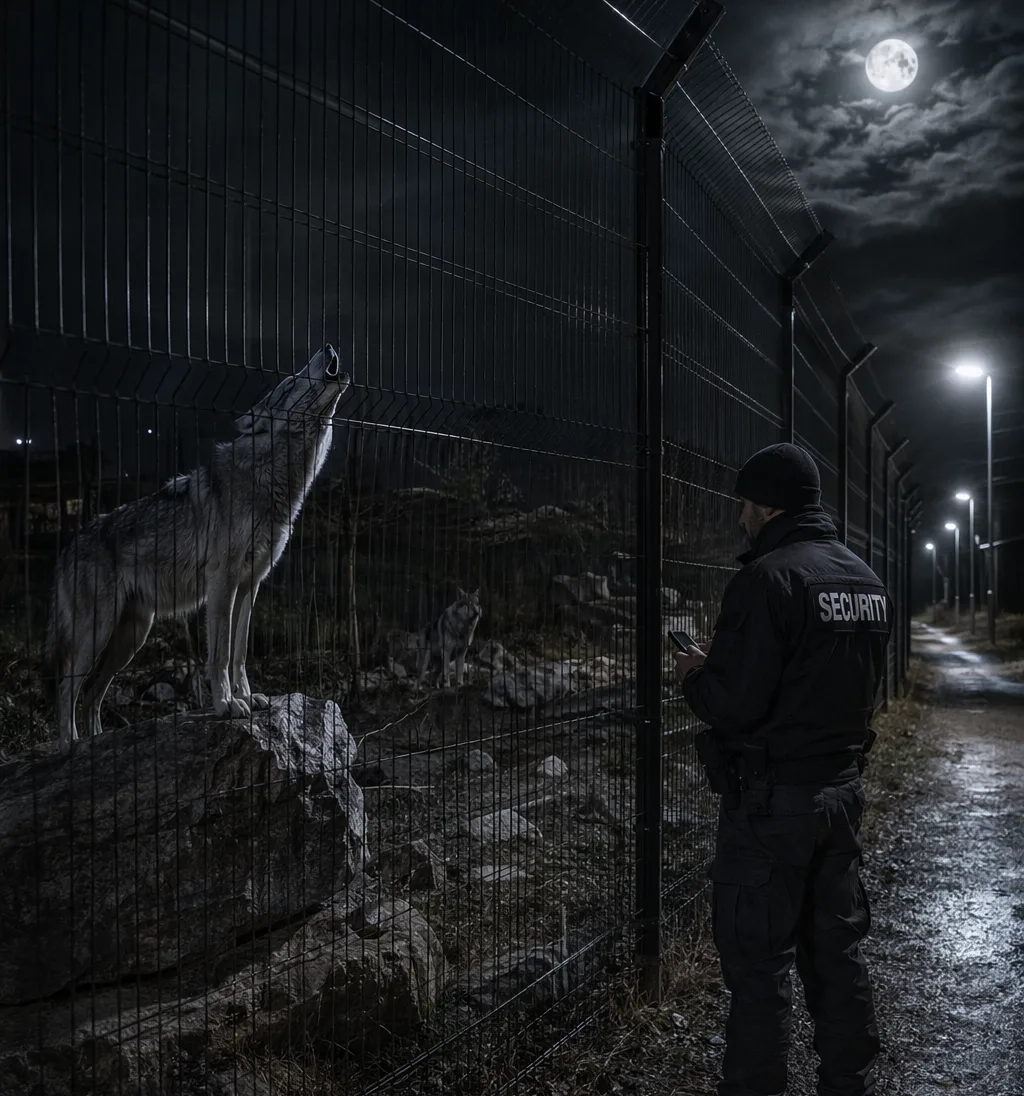
Security guards were assigned to check animal enclosures during the night. Their responsibility was to walk the route, inspect the enclosures, and report any abnormal situation immediately to the animal care team.
On paper, the process existed.
In reality, the old system did not provide enough confidence.
The RFID system was outdated. Management could not rely on it as a real-time verification layer. Patrol activity may have been logged, but the organization could not confidently prove that every required inspection had actually happened at the right time and place.
That weakness became critical.
The Incident
One night, a guard did not complete the required patrol route.
During that same period, an abnormal event occurred inside one of the animal enclosures. The wolf pack in that enclosure was affected by the incident, and according to the real case, all wolves in that enclosure died.
The internal conclusion was devastating:
If the night patrol had been completed properly, the situation could have been detected and prevented with near certainty.
This was the turning point.
Leadership realized that the issue was not simply about replacing an old RFID system. It was about eliminating blind spots in a high-risk environment where delayed detection can have serious consequences.
The Decision
After the incident, the wildlife park introduced stricter patrol requirements and began looking for a system that could provide real operational proof.
They needed more than a digital log.
That is why they implemented Trinity Guard®.
The Solution
Trinity Guard® replaced the outdated RFID approach with a modern guard tour system built around QR/GPS-based patrol verification and field reporting.
Guards now complete checkpoints as part of a structured patrol route. Supervisors can review patrol activity, see missed checkpoints, and understand whether required inspections were actually completed.
The incident reporting feature became especially valuable for the park.
For wildlife operations, this matters. A small abnormal sign at night can become a major operational event if it is not reported quickly.
The Result
Since implementing Trinity Guard®, the wildlife park has continued using the system as an active subscriber.
More importantly, no similar critical incident has occurred since implementation.
The organization moved from trust-based patrol logging to evidence-based patrol verification.
Security isn’t logged. It’s proven.
Why This Matters for Zoos, Reserves, and Large Facilities
This case is not limited to one wildlife park.
Zoos, national parks, animal reserves, logistics yards, industrial sites, and large outdoor properties all face the same problem: they depend on patrols that often happen at night, far from management visibility.
When patrols are not verified, risk becomes invisible.
When patrols are verified, management gets proof.
If it’s not verified, it didn’t happen.
Build your operation on proof.
If your organization operates a wildlife park, zoo, reserve, or large-area facility where patrols protect people, animals, or critical assets, do not rely on outdated logs.
See how Trinity Guard® helps security teams verify patrols, report incidents, and prevent critical events before they escalate.