
The Evolution of Patrol Verification: From Ancient Tessera to AI-Powered Digital Guard Tours
From clay tokens and mechanical tricks to GPS tracking and AI analytics — how patrol verification evolved into the modern digital guard tour system.
1. Guard patrol verification: an ancient security problem
As long as societies have relied on guards, leaders have asked the same question: “How do we know the guard actually performed the patrol?”
Patrol verification is not a modern invention — it has been a core security challenge for thousands of years. Today we call it a digital guard tour system, but the story starts much earlier, in ancient Rome.
2. Ancient Rome: the first documented patrol control system
The Roman Empire relied on strict discipline and documented duty. One of the earliest patrol verification tools was the tessera — a small rectangular clay or wooden tablet used to prove that a guard:
- accepted the shift,
- completed the assigned duty,
- returned the token intact, and
- did not falsify their presence.
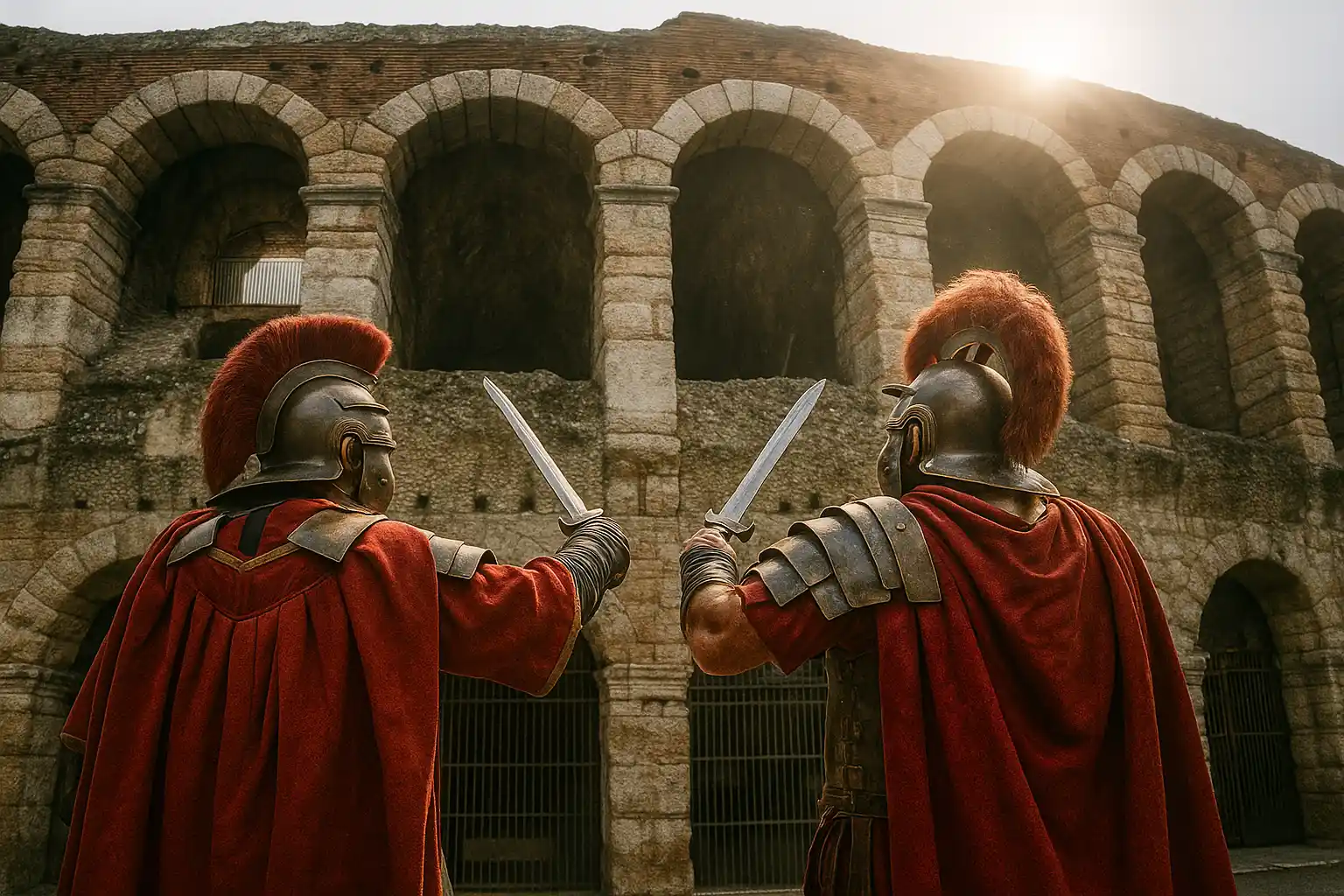
The tessera carried unit and commander markings, making it difficult to forge. Roman officers also conducted unannounced inspections at guard posts — an early version of today’s spot checks and surprise audits. Even in antiquity, “trust, but verify” was already a principle of security.
3. Mechanical ingenuity: the screw-based patrol verification method
Centuries later, during the medieval and early modern periods, patrol control evolved into clever mechanical devices. One of the most interesting was the screw-based patrol verification board.
How the screw board worked
A wooden board or metal cylinder contained twelve screws. Every hour, the guard had to tighten the screw corresponding to that hour:
- 1 AM → screw #1
- 2 AM → screw #2
- 3 AM → screw #3, and so on.
At dawn, the supervisor simply checked whether the correct screws had been tightened in order. If any screw was untouched, or if the pattern didn’t match the schedule, it was clear that the patrol had not been completed properly.
It was a beautifully simple solution: no batteries, no software, but still a form of timestamped patrol documentation.
4. The electronic era: RFID guard tour systems — innovation with a flaw
In the late 20th century, security companies adopted RFID-based guard tour systems. Small RFID checkpoints were installed at critical points, and guards carried a baton-like reader to “tap” each disc during the tour.
This was a major step forward:
- patrols were logged electronically,
- timestamps were captured automatically,
- and reports could be exported for clients and auditors.
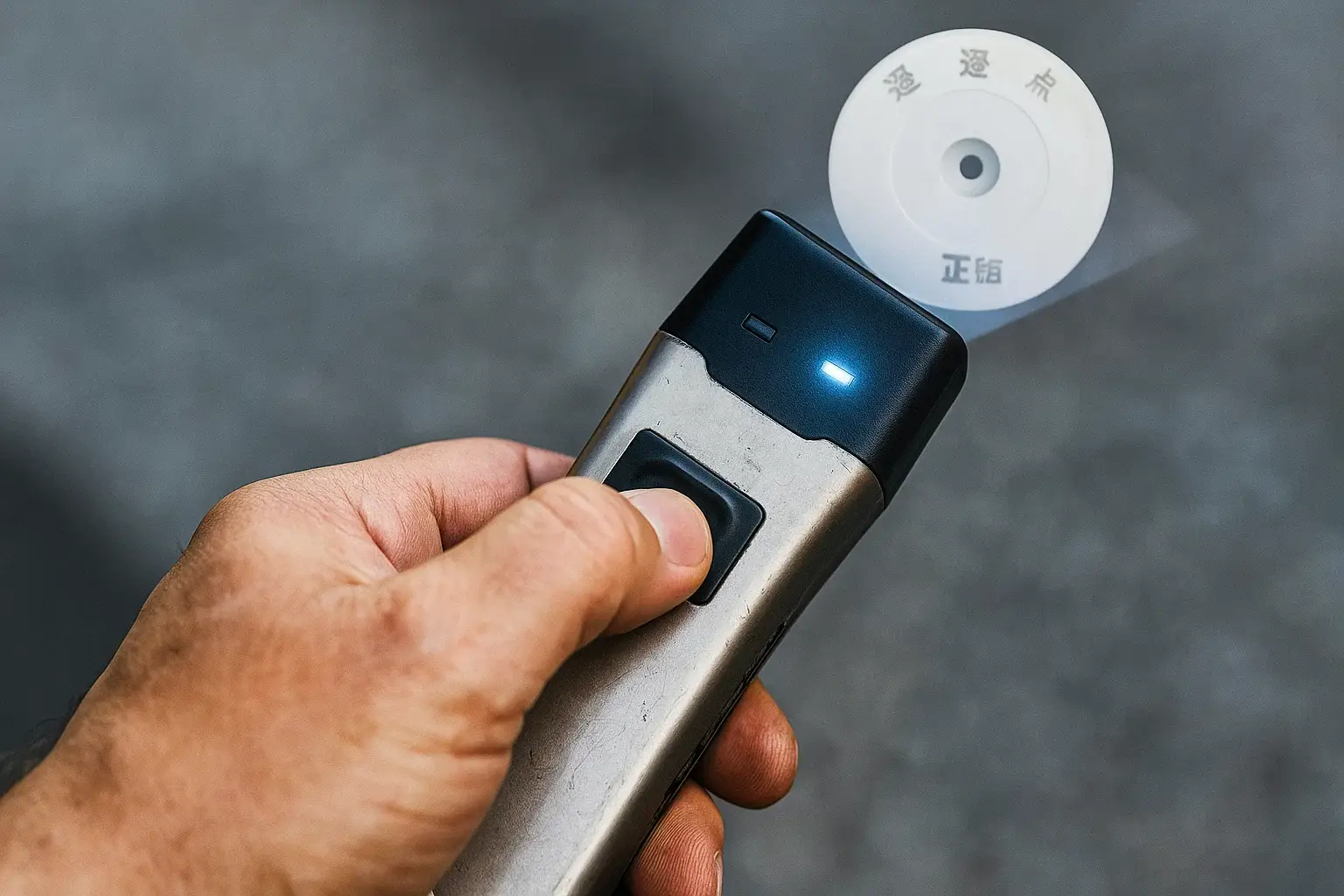
But there was a critical problem that many security managers still recognize today: RFID systems are easy to cheat.
Guards discovered they could remove RFID discs from the checkpoints, bring them into the guard room, and “scan” them in the correct order — without walking the route at all. On paper, the patrol looked perfect. In reality, no patrol happened.
This vulnerability created a need for a tamper-resistant solution that could verify movement, not just scanning.
This problem still exists today — as explained in how fake patrols still happen in modern systems .
Because of this, many companies are moving away from RFID — as explained in why RFID guard tour systems are becoming obsolete .
5. The digital age: GPS + QR hybrid patrol verification
Modern security operations require a more robust approach. A practical digital guard tour system must solve two core problems.
For real-world accountability, a guard tour patrol system ensures supervisors see actual patrol performance, not just logs.
These systems must address:
- Outdoor verification: confirm that guards physically walked the route, not just stood in one place.
- Indoor verification: reliably track presence where GPS is weak or unavailable.
That is why leading solutions now use a GPS + QR hybrid model:
- GPS tracks outdoor movement and routes in real time.
- QR codes provide precise indoor checkpoints that are harder to copy or move.
- Everything is synced to the cloud with timestamps and device IDs.
For the first time, supervisors can see the full patrol path, not just a list of scanned points. Instead of trusting a handheld device, they trust data that cannot be easily forged.
Modern systems solve this using hybrid verification — see QR, GPS and AI patrol verification methods .
6. The AI era: Trinity Guard as the next evolutionary step
The next stage in this evolution is already here: AI-powered patrol intelligence. The Trinity Guard platform combines:
- smartphone-based patrol execution (no special hardware),
- GPS tracking for outdoor routes,
- QR codes for secure indoor checkpoints,
- real-time cloud monitoring for supervisors, and
- AI engines that interpret patrol data, not just store it.
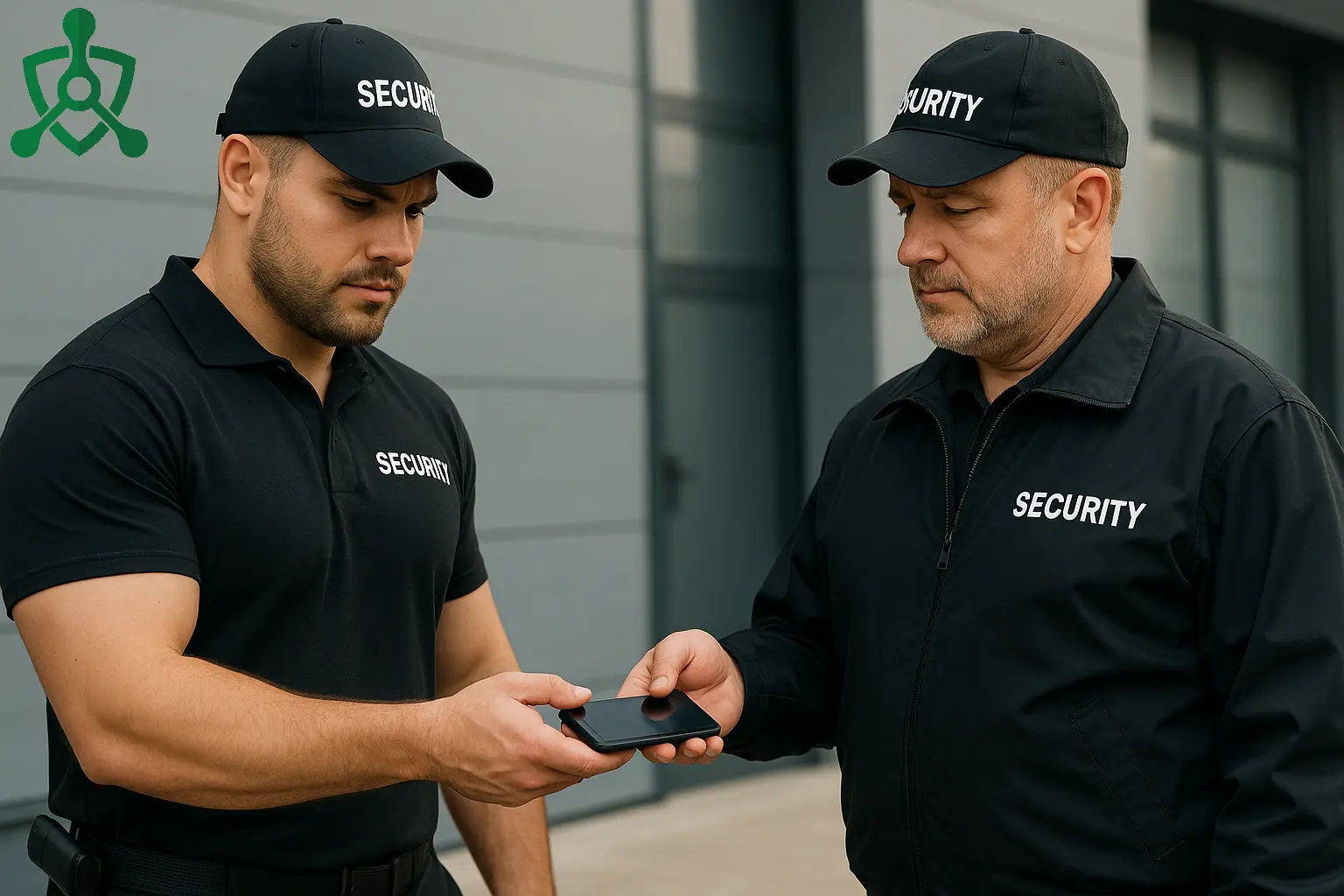
Guardy & Trinity Agent — AI that supports and supervises
Guardy, the built-in virtual assistant, helps companies configure routes, add checkpoints, onboard guards and answer questions directly inside the app or web interface.
In the background, Trinity Agent AI continuously analyzes patrol execution. It can:
- detect missed or late checkpoints,
- spot route deviations or shortcuts,
- flag suspicious patterns in incident reports,
- alert supervisors in real time if something looks wrong.
The result is not just a digital log, but an intelligent patrol verification system that actively helps you manage risk.
7. Thousands of years of innovation — one modern guard tour platform
From the Roman tessera to mechanical screw boards, from RFID batons to GPS + QR code hybrids, patrol verification has always followed the same goal: prove that the guard truly did the job.
With Digital Guard Tour powered by Trinity Guard, that proof becomes:
- real-time,
- data-driven,
- AI-assisted,
- and nearly impossible to cheat.
What started as a small clay tablet in ancient Rome has become an intelligent, cloud-based patrol verification ecosystem — running on a smartphone in every guard’s hand.