
Proof • Audit Readiness • Patrol Accountability
Security Patrol Route History Reports — What Clients, Auditors and Managers Actually Need to See
In security operations, a patrol report is only valuable if it shows what actually happened. Generic logs, vague summaries, and unchecked boxes may look acceptable at first glance, but they rarely satisfy serious clients, auditors, or internal managers. What decision-makers want is not more paperwork. They want verifiable patrol evidence.
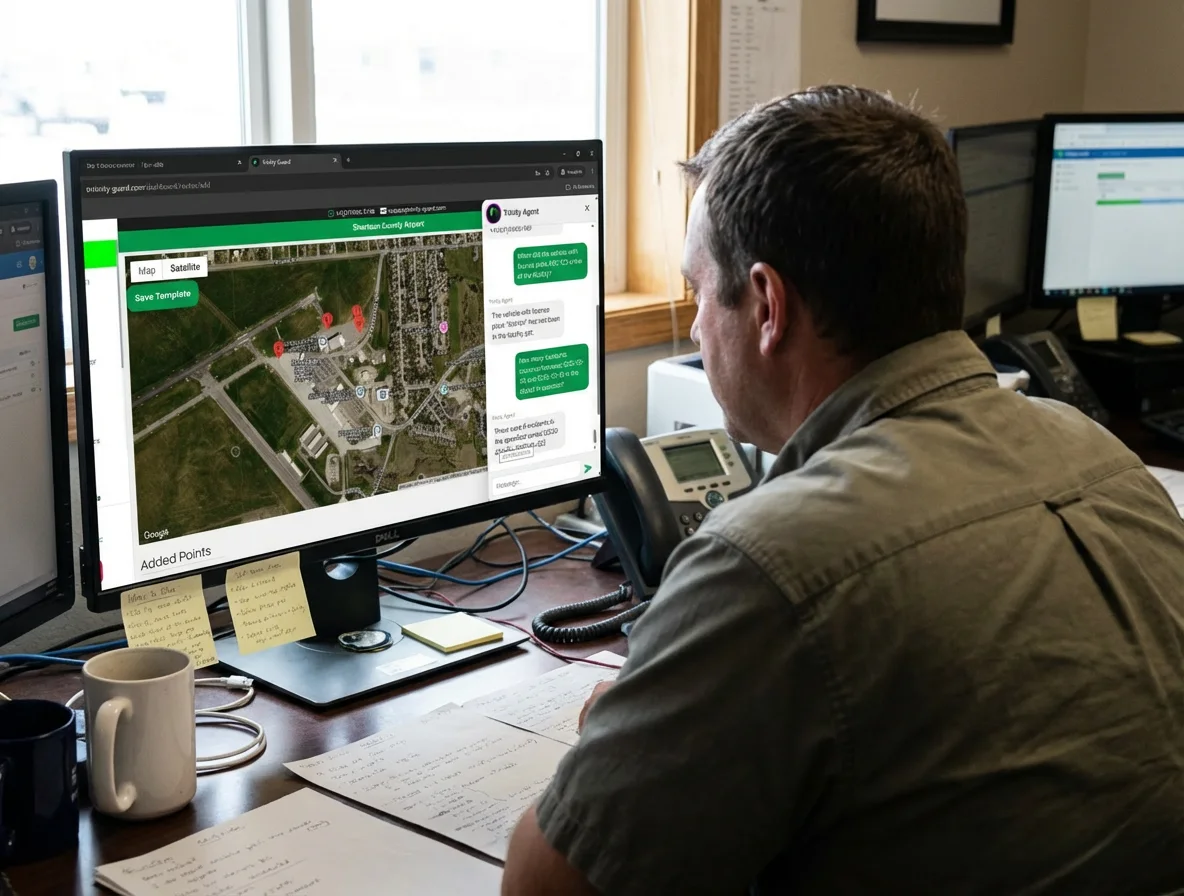
A strong route history report should answer five simple questions:
Who performed the patrol?
The report should clearly show which guard completed the route, tied to a real user and device.
When did the patrol happen?
Timestamps must show when the patrol started, when checkpoints were completed, and when the route ended.
Where did the guard actually go?
A proper report should include route history, GPS-backed movement where relevant, and checkpoint verification where precise proof is needed.
What was completed — and what was missed?
A useful patrol report does not only display completed activity. It also shows missed checkpoints, delayed steps, exceptions, and incomplete tasks.
What happened during the patrol?
Incidents, notes, photos, and supervisor-visible exceptions should be connected to the patrol timeline, not stored separately in disconnected systems.
Modern route history reports should do more. They should create a clear, reviewable story of the patrol.
Why traditional reports fall short
- Activity records: they show something happened, but not necessarily what actually happened.
- Weak context: timestamps alone do not explain route quality or checkpoint reality.
- Low visibility: managers get data, but not enough clarity to act quickly or defend decisions.
This is where many traditional guard tour reports fail. They generate activity records, but not operational proof. A client may see that “a patrol was completed,” yet still have no clear view of whether critical points were actually checked. An auditor may receive timestamps, but no meaningful route context. A security manager may get data, but not actionable visibility.
A modern guard tour system should turn patrol history into something easy to understand: a verified timeline of movement, checkpoints, task completion, incidents, and exceptions. That is what makes reports useful in contract reviews, internal investigations, service disputes, and renewal discussions.
The real standard is simple: a patrol report should not merely say that work was done. It should help prove what was done, where it happened, and whether anything important was missed.
That is the difference between documentation and operational proof.