
How AI-Verified Patrol Transparency Stopped Internal Theft on an Active Construction Site
A real-world industrial security case study. When paper logs, camera snapshots, and manual patrol reporting created a compliance gap, the Developer replaced assumptions with verifiable evidence using Trinity Guard®.
Context
Large-scale construction projects create a unique security nightmare. Sites change daily, access points shift, and high-value materials move constantly.
In this case, a large industrial facility was under construction. The Developer (Owner) contracted a security firm to protect the site during the build phase.
The initial security setup — and why it failed
The perimeter was fenced, with two controlled entry points. Each gate was staffed with two guards providing 24/7 coverage.
Guard responsibilities included:
- Performing regular patrol rounds across the site
- Managing vehicle and personnel access
- Documenting incidents and irregularities
On paper, the setup appeared sufficient. In reality, it was a liability.
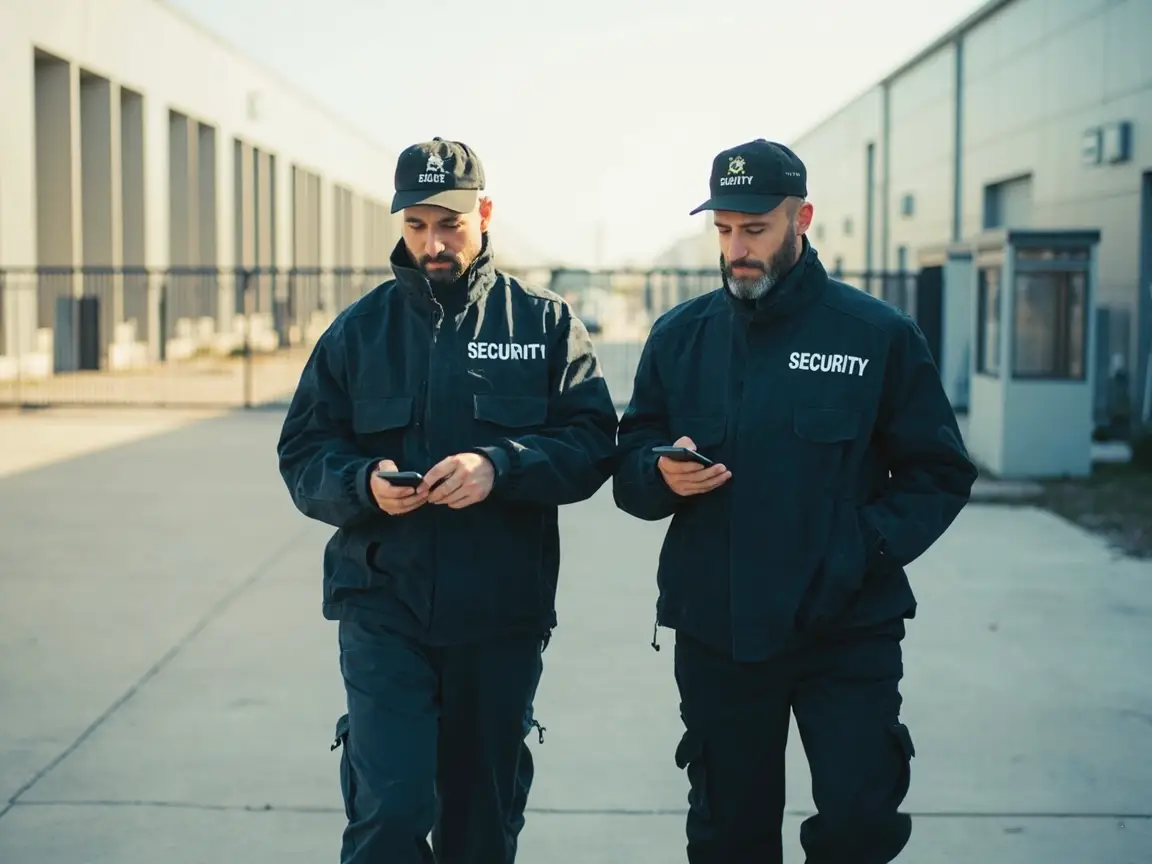
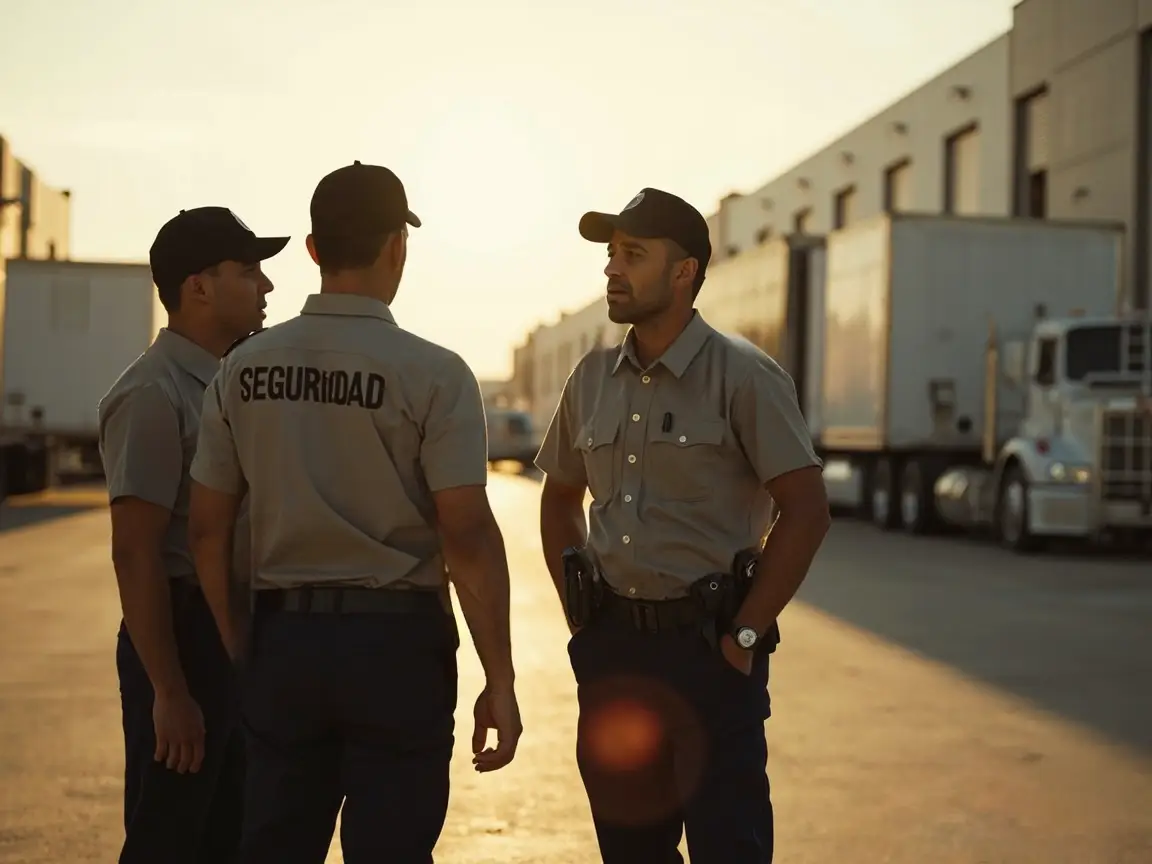

Entry and exit activity was documented using a standalone digital camera and handwritten logs. Patrols were recorded manually.
This created a critical compliance gap:
- Photos and written records could not be reliably cross-referenced
- Data retrieval was slow and fragmented
- Patrol execution could not be objectively verified
A traditional wand-based checkpoint system was also attempted. However, the constantly evolving construction environment made fixed, hard-wired patrol points impractical.
Neither the security company nor the General Contractor could confirm whether patrols were actually performed or merely logged on paper. Within weeks, property-related incidents and unexplained losses occurred. Trust deteriorated. The contract was terminated.
A different approach: AI-verified digital patrol control
The Developer selected a new security provider that deployed Trinity Guard®, a digital, AI-assisted guard tour patrol system, from day one.
The objective was simple: Make patrol activity verifiable — not just reported.
The system introduced:
- GPS-based verification outdoors (activated only when a patrol is explicitly started)
- QR-based verification indoors
- Digital entry and exit logging with timestamped photo documentation
- Real-time incident reporting
- Centralized cloud-based supervision
No proprietary patrol hardware was required.
Transparency for the client — not just the security company
A critical requirement from the Developer was direct visibility.
The system provided the client with Guest Mode (read-only) access to:
- Real-time patrol execution data
- Entry and exit logs
- Incident reports
- Daily operational summaries
The turning point: detecting organized fuel theft
Within a short period, the system’s data revealed a pattern.
By correlating:
- Vehicle entry and exit timestamps
- Patrol activity logs
- Photo documentation
management identified repeated, suspicious vehicle movements. The same vehicle appeared multiple times under abnormal conditions, often coinciding with patrol gaps.
Without this digital ecosystem, the activity would have blended into routine operations as ordinary “inventory shrinkage.”
Operational impact after implementation
Following deployment:
- Patrol execution became transparent and fully auditable
- Missed patrol actions triggered immediate alerts
- Incidents were documented with GPS location, photos, and timestamps
- Liability exposure was significantly reduced
Deployment speed and flexibility
Implementation time was a decisive factor.
Cost perspective: traditional vs. digital systems
Traditional patrol systems:
- Require expensive, proprietary handheld devices
- Depend on physical checkpoints that are easily damaged on construction sites
- Rely on slow, manual data transfer
Cloud-based patrol systems:
- Operate on a scalable SaaS subscription model
- Expand instantly across sites and teams
- Eliminate hardware replacement and maintenance costs
Conclusion
In this case, replacing a legacy workflow with Trinity Guard® delivered measurable ROI: reduced security risk and liability, exposed internal theft, restored client confidence, and replaced assumptions with verifiable evidence inside a complete guard tour system.
 Powered by Stripe
Your card data never touches our servers – billing is handled directly by Stripe’s PCI-compliant infrastructure.
Ready to replace assumptions with verified action?
Start a 14-day free trial and test AI-verified patrol transparency in a real environment.
Start Free Trial →This case study was originally documented in two parts: Part 1 — Problem & Setup and Part 2 — Results & ROI .