
Active Patrols • Supervisor Clarity • Operational Control
Active Patrol Monitoring for Security Companies — What Supervisors Should Actually See
In security operations, active patrol monitoring should do more than place a moving dot on a map. What matters is operational visibility: knowing whether a patrol has actually started, whether it is progressing as assigned, and whether anything important is being missed.
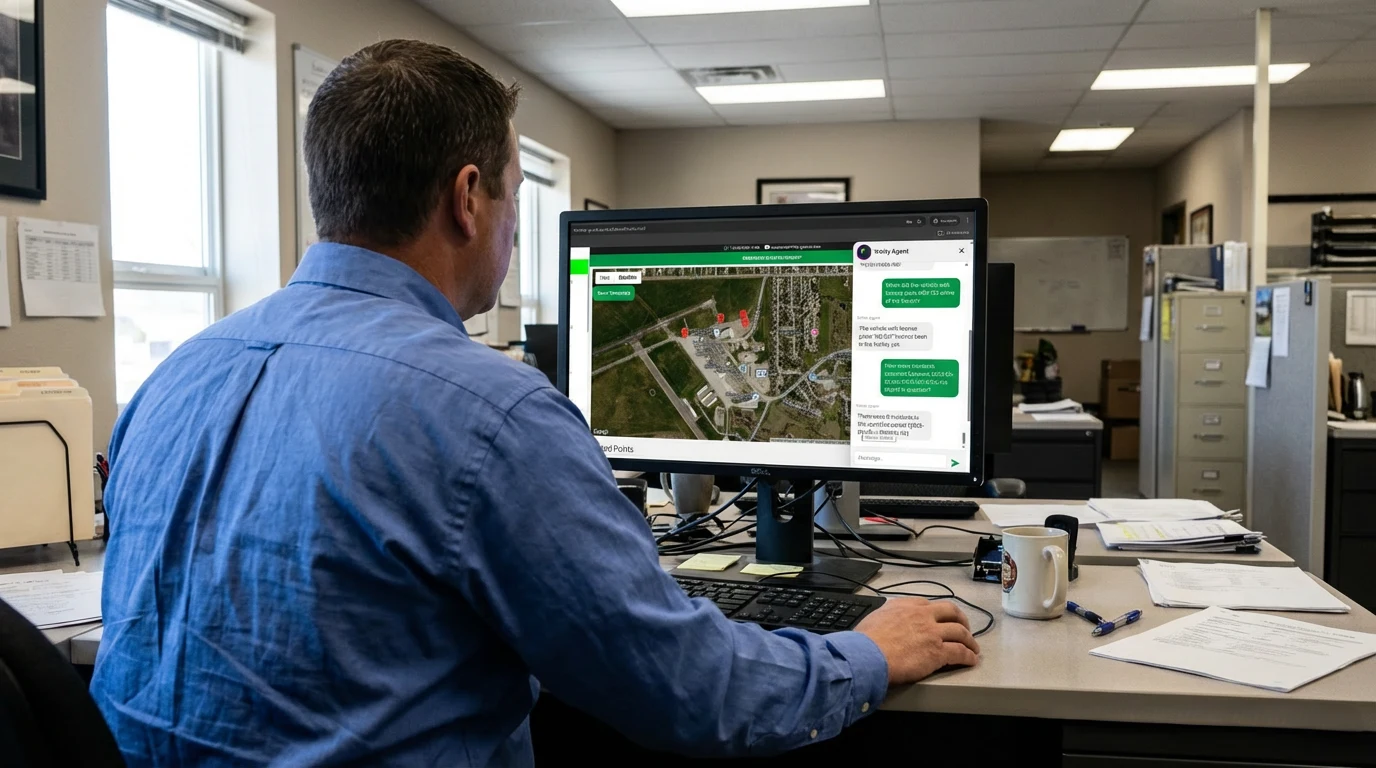
A useful monitoring view should answer five practical questions immediately:
Has the patrol actually started?
A supervisor should be able to see which guard is on shift, which patrol is active, and when the patrol began.
What is happening right now?
A good live dashboard should show active patrol status clearly: current site, assigned route, completed checkpoints, delayed steps, and tasks still in progress.
What has already been completed — and what has not?
Supervisors should be able to distinguish between a patrol that is moving normally, a patrol that is late, and a patrol that is incomplete.
Are there incidents, exceptions, or missed steps that require action?
If an incident was reported, a checkpoint was missed, or a required task was not completed, that should be visible in the same operational context.
Are the timestamps and location data actually meaningful?
Raw timestamps are not enough. A security company needs time-linked, location-backed activity that can later be reviewed if a client raises a question.
Active patrol monitoring should show patrol execution — not just background movement.
Why many monitoring views still fall short
- Location without execution: they show movement, but not whether the patrol matches the assigned workflow.
- Activity without context: live data appears on screen, yet critical missed steps remain hidden.
- Visibility without action: supervisors see dots and timestamps, but not what needs attention right now.
This is where many systems still fall short. They show location, but not execution. They display activity, but not whether the activity matches the plan. For security companies, that gap matters. Clients do not pay for movement alone. They pay for completed patrols, verified checkpoints, documented exceptions, and fast reaction when something goes wrong.
A modern guard tour system should give supervisors exactly what they need during an active patrol: clear status, checkpoint progress, timestamped activity, visible exceptions, and immediate alerts when something falls outside the expected workflow.
Active Patrol Monitoring — Frequently Asked Questions
The standard should be simple: if a patrol is in progress, supervisors should be able to see whether it is active, on track, delayed, incomplete, or already creating a problem.
That is what active patrol monitoring should actually show.