
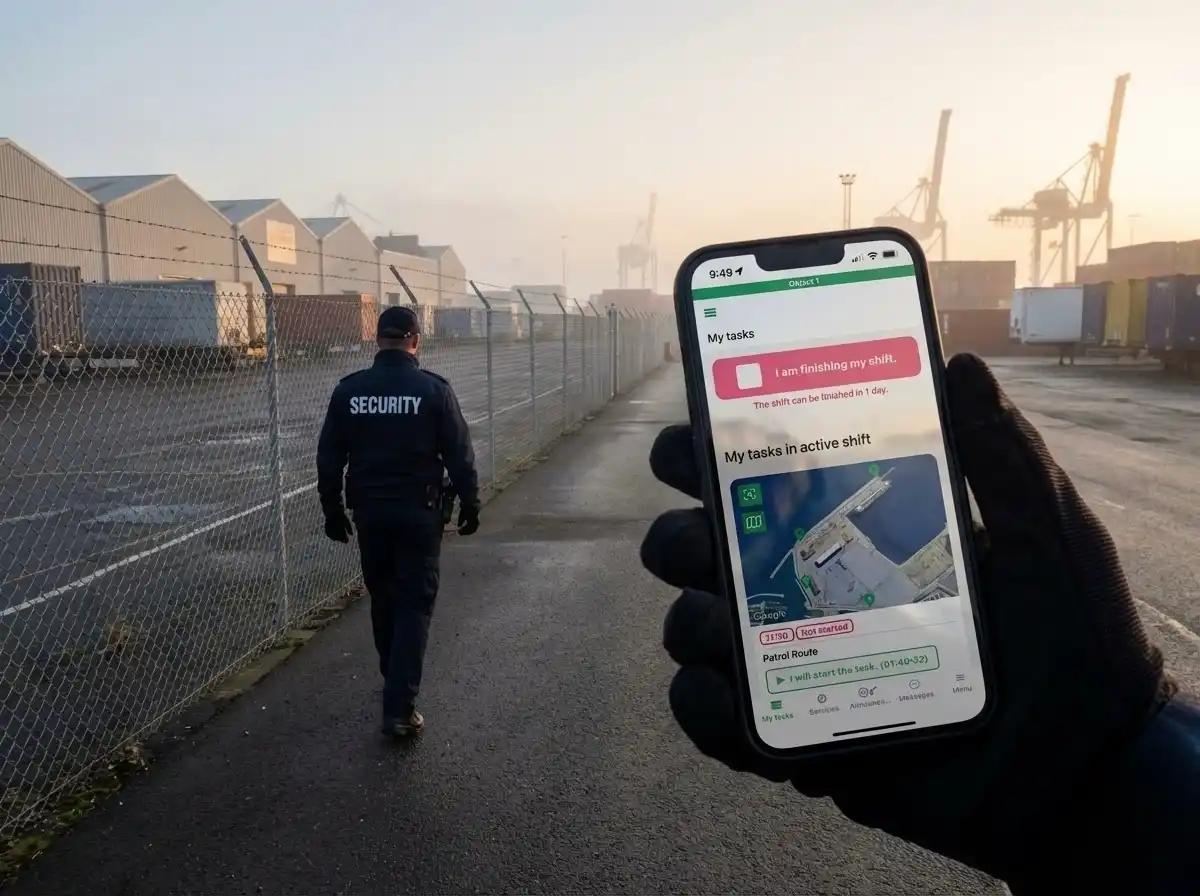
The “Old Way” Served Us Well. Until Now.
For decades, the security industry operated on trust.
A patrol happened.
A log was signed.
The job was considered done.
And for a long time, this worked — because relationships mattered, and because most disputes never reached a courtroom.
But in 2026, the environment has changed.
This is no longer about whether your security provider is honest. It’s about whether the process can protect both of you when questions arise.
Insurance audits, compliance requirements, and legal scrutiny now demand something more than good intentions. A handwritten log or an Excel spreadsheet is no longer a shield. It is a liability.
Trust is still essential. But trust without proof is no longer defensible.
The Problem Isn’t People. It’s the Process.
Let’s be clear from the start:
This is not about checking up on guards.
It’s about retiring outdated tools that leave good work unverified.
Most conflicts don’t happen because guards fail to do their job. They happen because traditional reporting methods create a black hole of information.
Paper logs can be lost, damaged, or filled out after the fact.
Excel reports are excellent for summaries — but useless as evidence, because any cell can be edited.
Delayed data means discovering missed checkpoints days or weeks later, when nothing can be corrected.
When context is lost, proof disappears.
And without proof, even perfectly executed patrols become questionable.
Evidence is not the report. Evidence is the context behind it.
Why Transparency Is Actually a Safety Net for Your Provider
Here is the part most organizations overlook:
A modern guard tour patrol system protects security companies just as much as it protects clients.
Imagine an incident occurs on your property.
Without verified digital proof, the situation often turns into:
- conflicting statements
- assumptions
- or worse — legal blame placed on the security provider
Real-time verification changes the entire conversation.
Old answer: “I think the guard was there. Let me check the logs.”
New answer: “Yes. Here is the GPS timestamp and photo verification, locked in the system at 14:02.”
Facts end arguments. Opinions create them.
This removes the “he said / she said” dynamic entirely. It turns patrol data into defensible evidence — protecting the reputation and legal position of your service provider.
A verified system does not monitor people. It validates outcomes.
Verified Data Keeps Context Intact
When time, location, and actions stay connected, your reporting becomes audit-ready by design — not “assembled” at the end of a shift.
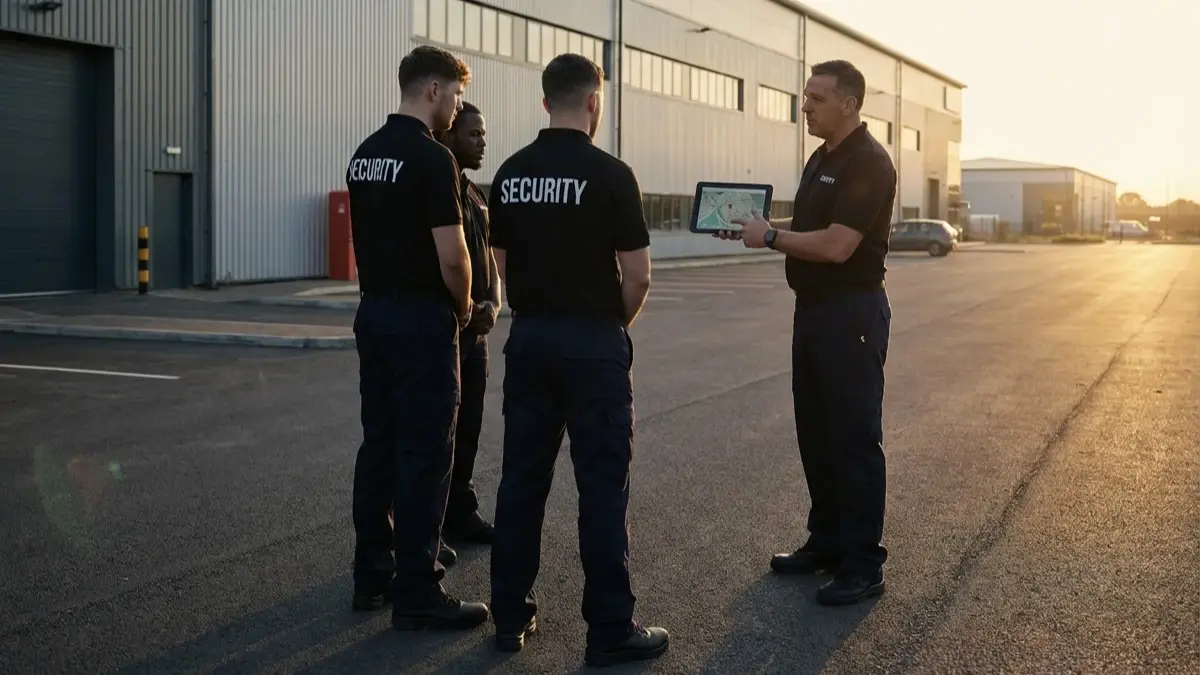
What “Verified Patrols” Actually Mean for You
We are moving away from monitoring and toward validation.
A modern, partner-focused security setup should offer:
Context Integrity
Not just that something happened — but exactly when and where, secured by GPS and timestamps.
Read-Only Transparency
You can review the work at any time, while knowing that history cannot be altered — by anyone.
Real-Time Assurance
Confidence that your site is secure right now, not just summarized at the end of the month.
Delayed visibility is not oversight. It is hindsight.
If patrol data can be edited after export, it is not evidence.
The New Question for 2026
For years, the key question was:
“Do I trust my security team?”
In most cases, the answer is yes.
But the question that matters today is different:
“Are we giving our security team the tools they need to prove their value?”
Because if the answer is:
“We’re still using Excel and paper logs”
Then the risk is no longer operational. It’s legal, financial, and reputational.
Upgrading verification is not about policing people. It’s about protecting everyone involved through a modern guard tour system.
Good security deserves proof — not assumptions.
FAQ — Client Transparency & Verified Patrols (2026)
Because they lose context and can be altered after the fact. In audits and disputes, editable records rarely qualify as defensible evidence.
No. Verification protects both sides by turning patrol activity into timestamped, location-based proof that reduces blame and ambiguity.
Context integrity, read-only transparency, and real-time assurance — so performance is visible now, not reconstructed later.
“Are we giving your team the tools to prove value?” If the answer is “Excel and paper,” you’re carrying preventable legal and reputational risk.